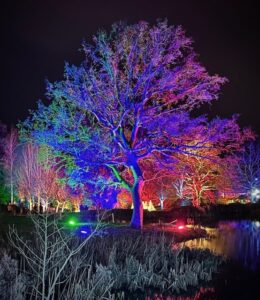
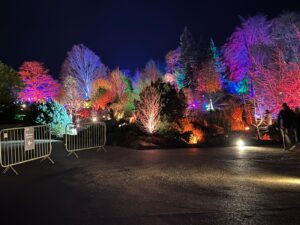
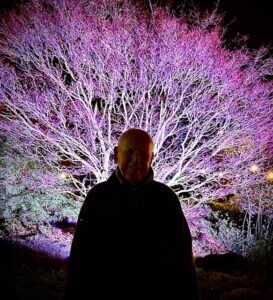
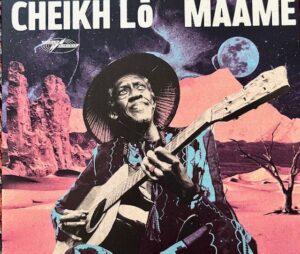
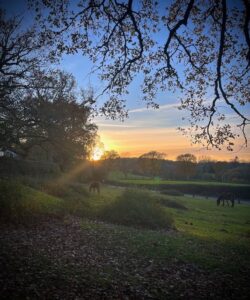
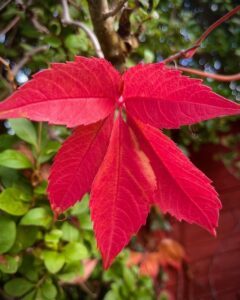
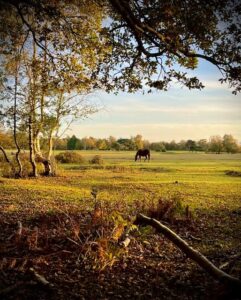
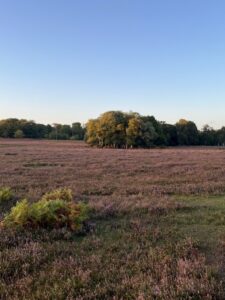
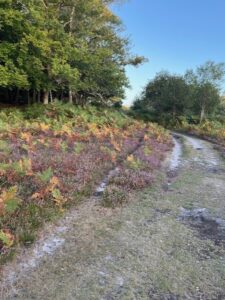
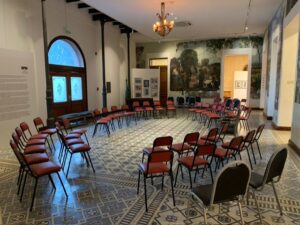
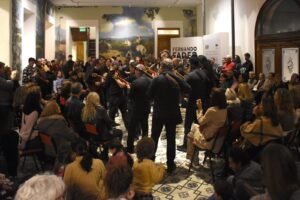
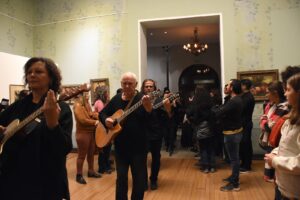
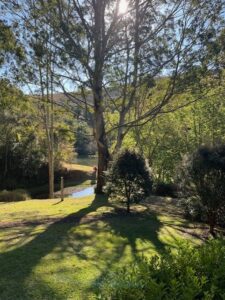
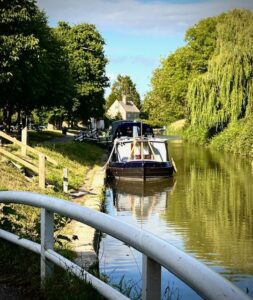
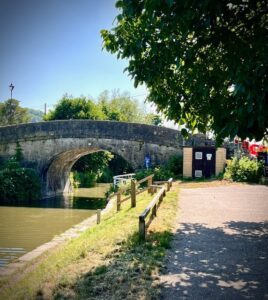
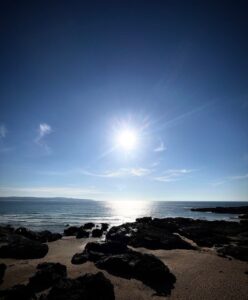
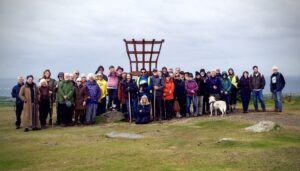
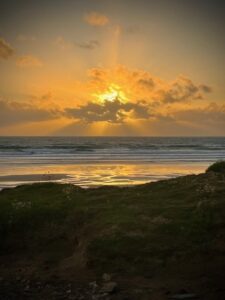
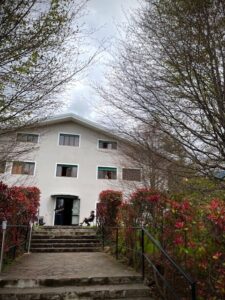
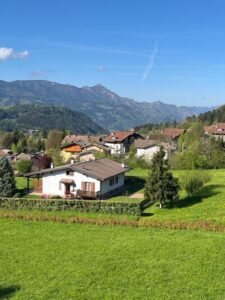
Slowly spring sprang during February going into March.
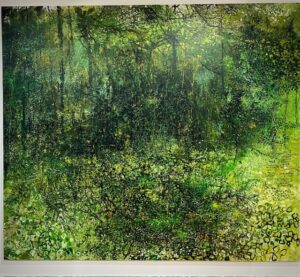
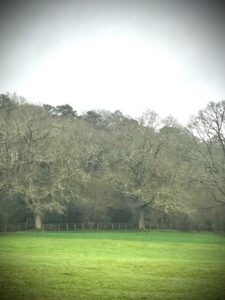
There is a ‘green mist in the trees’ (namely, new shoots of leaves).
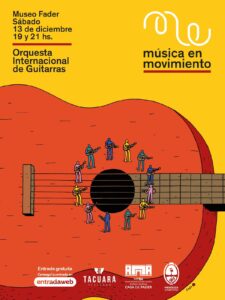
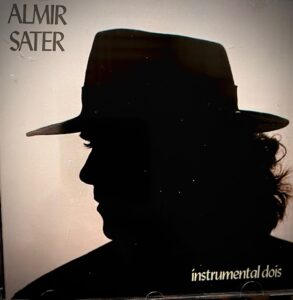
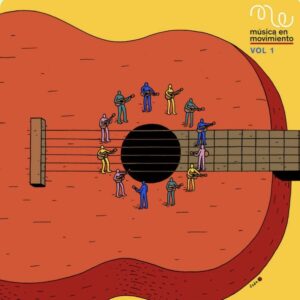
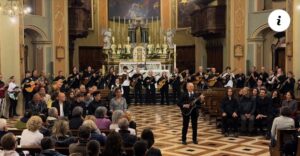
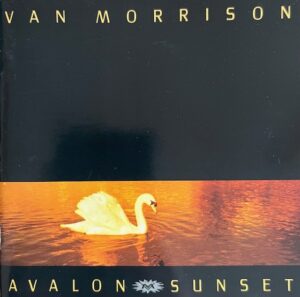
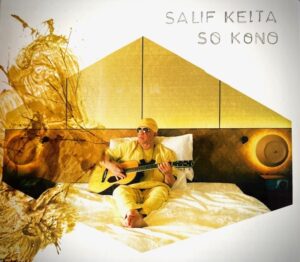
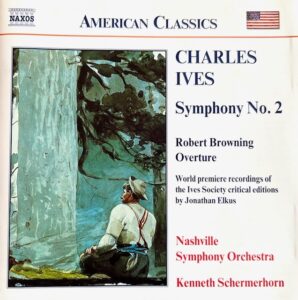
https://www.youtube.com/watch?v=mznwjWBjlHs&list=RDmznwjWBjlHs&start_radio=1
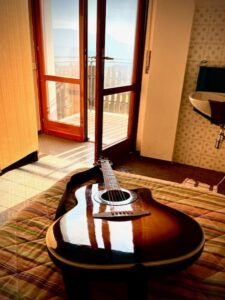
Incidentally, a beautiful version of just the guitar part is here:
https://www.youtube.com/watch?v=0AqpyAmI3Ik&list=PL4E7Wxs-wJdY8M-0_nsyJMTSreQmMnw56&index=10
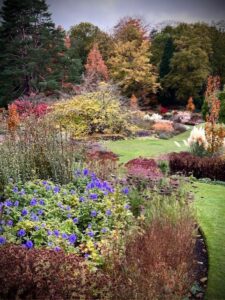
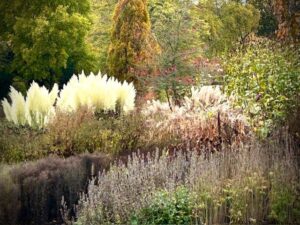
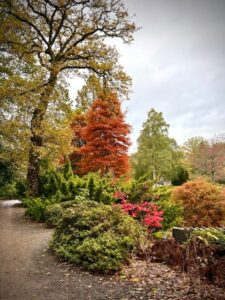
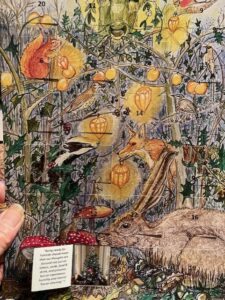
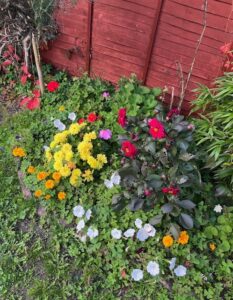
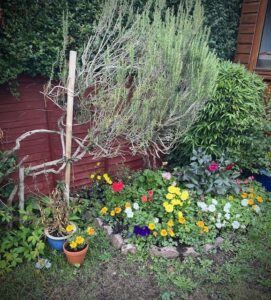
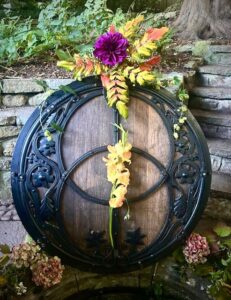
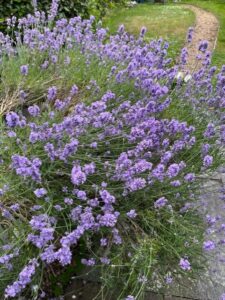
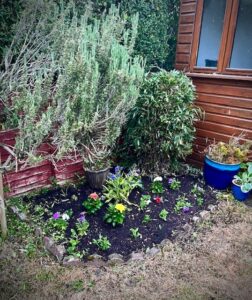
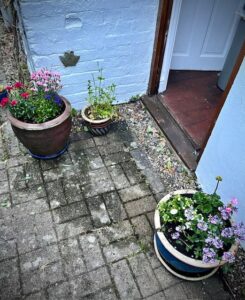
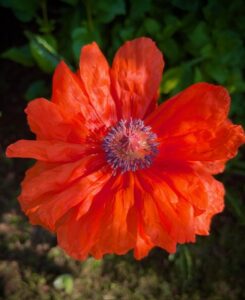
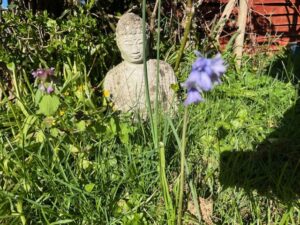
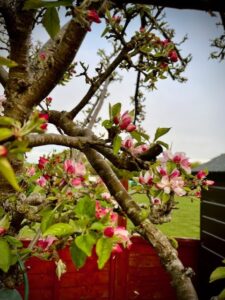
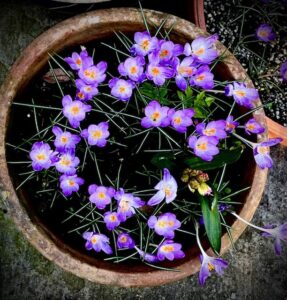
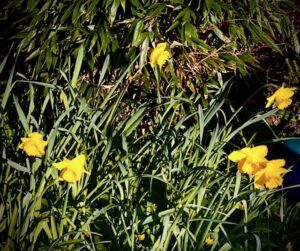
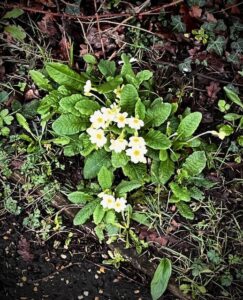
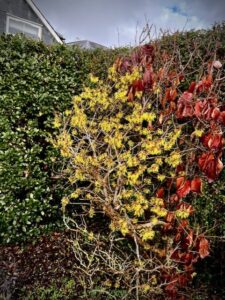
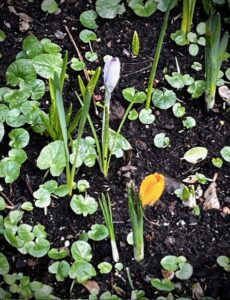
Flowers in the garden:
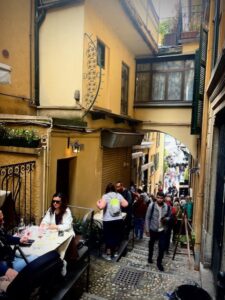
Perversely, I spend a fair amount of time watching the Winter Olympics from far away Milan, Italy:
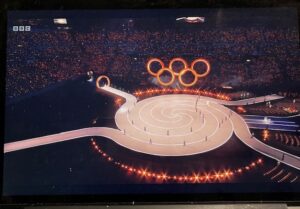
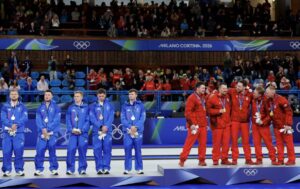
I like the snow so, coming from a country that rarely sees any, I love the atmosphere of Winter sports. I am not really a competitive person, so games pass me by but I like the spectacle. However, I do quite get into the Curling which is lengthy and exact. The GB Scottish team were down to win Gold but tripped up over the last games of the match. Having prepared for 4 years, the guys were speechless – in tears. Their faces say it all:
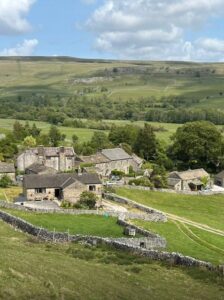
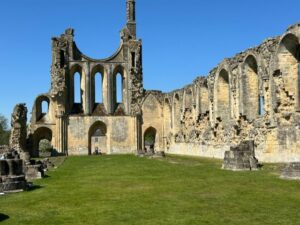
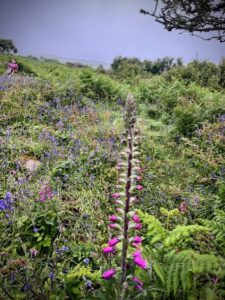
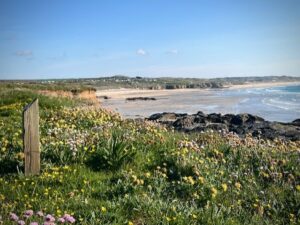
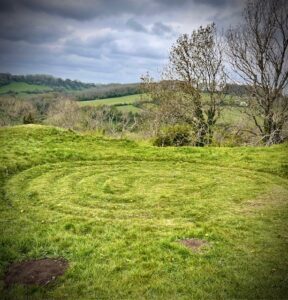
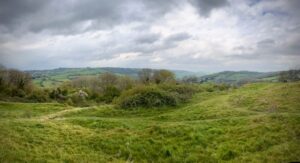
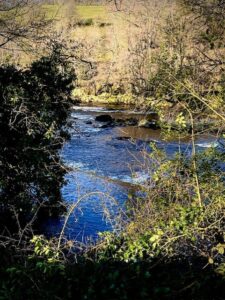
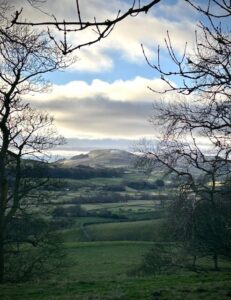
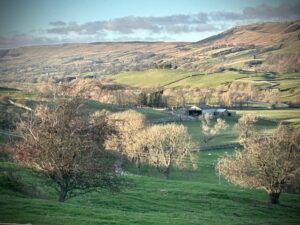
I go North of family business: a land just emerging itself from the Winter:
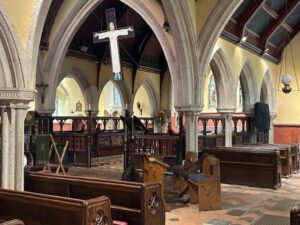
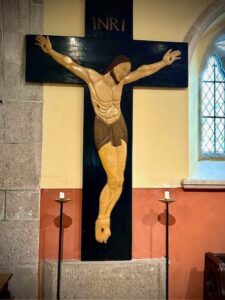
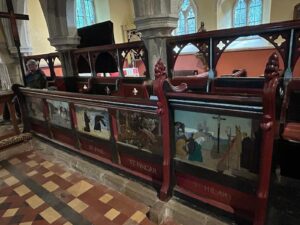
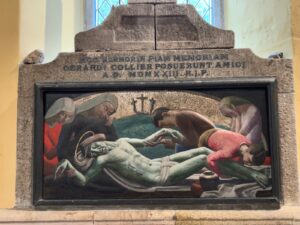
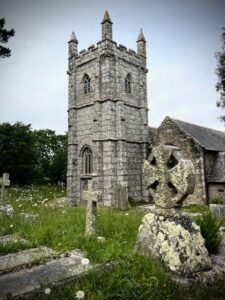
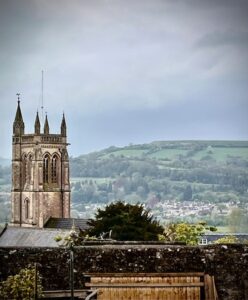
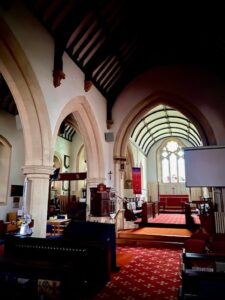
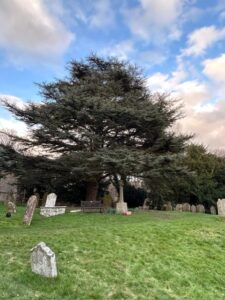
Whilst there, I visit the Church of Spinnethorne (https://en.wikipedia.org/wiki/Spennithorne) – typical of its type with a C14 tower. A very old Yew tree stands in the churchyard.
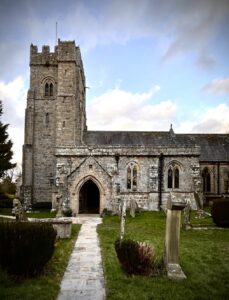
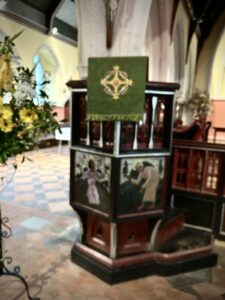
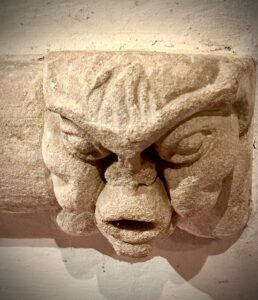
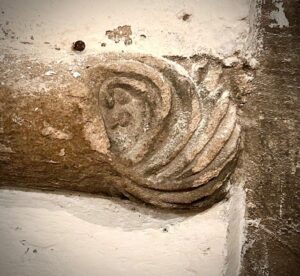
These kind of churches have all sorts of interesting features. Like carvings on doors and window sills.:
Also, a beautiful wall painting – only preserved and rediscovered because it had been painted over in white wash:
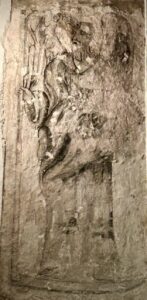
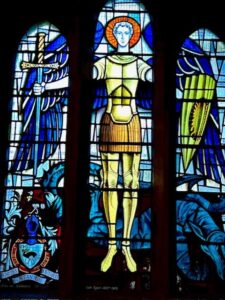
It is of Saint Michael : three wings and a sword. A more modern rendition in the stained glass window:
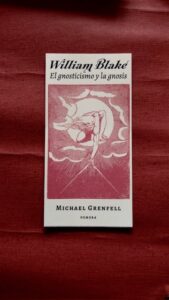
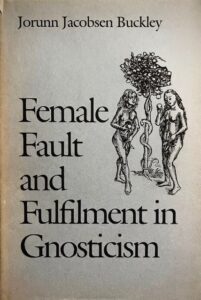
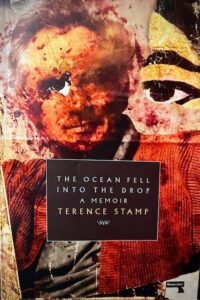
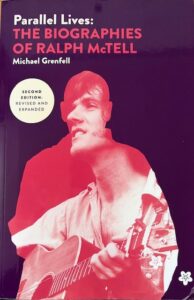
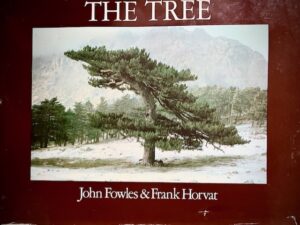
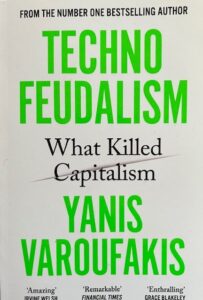
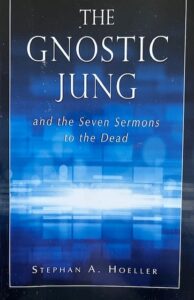
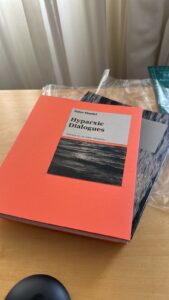
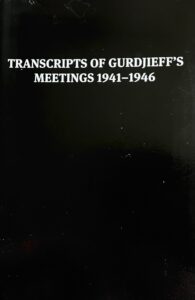
I have been reading the following two books over the past year:
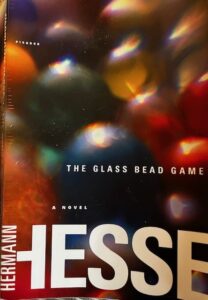
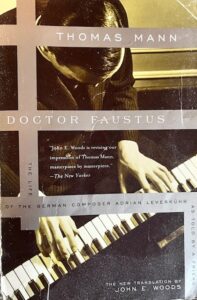
When I was a child, I hated school and left as early as possible. I certainly never read any books. I worked as a medical microbiologist. Then someone gave me the Hesse and I read it. The top of my head blew off. I never knew other people felt I like I felt; in fact, I didn’t even know I felt like that until I read someone describe it. So, I studied English and French and eventually went of to University to study French in London. Over the years, I have probably read the Glass Bead Game 6 – 7 times and this will probably be my last. And, of course, each time I read it, it was a different book – I see different things in it. What I have only come to realise lately is that not only did this book change my life, it also predicted it!! (more detail on all this in my forthcoming book, A Life in 7 Teachers). Only recently, too, have I seen the parallel themes between the Hesse and the Dr Faustus book by Thomas Mann. Both are about a single young man as he passes through life. Both are gifted and take a scholarly path: in music with Faustus and philosophy with the Hesse. Both show two important things: firstly, the effort needed to become ‘master’ of your discipline; secondly, the cost that that effort has in a range of ways. They also show that in any discipline – writing, art, music – there comes a point where it shape you. You no longer have to strive to produce things, you just put your hands on the instrument and away you go. It creates for itself. If I have a difference with both books, it is that they present the protagonist as naturally talented. It is not always so, Sometimes, one can be a complete idiot – tone deaf, illiterate, unable to draw – and then really have to struggle to reach even an acceptable level. Suffering and Sacrifice. Both books also question such a life, sometimes in terms of the society that surrounds it. Better to be involved in real life, to live a life, it questions, than to escape into a personal world. That is an open question for debate but sometimes what needs to be expressed has such a will that it chooses unlikely vehicles to articulate it.
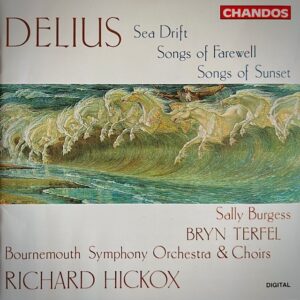
On the listening front, I have had somewhat of a Baroque renaissance:
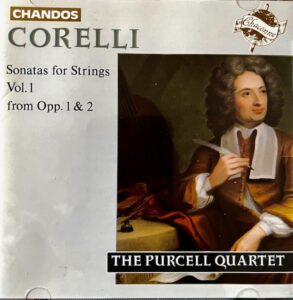
https://www.youtube.com/watch?v=FFMSOOGYjmQ&list=RDFFMSOOGYjmQ&start_radio=1
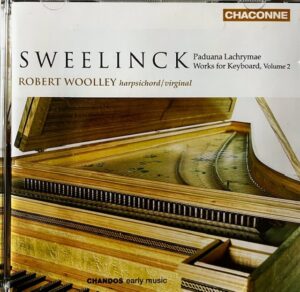
https://www.youtube.com/watch?v=3Fz0j9VrL6c&list=RD3Fz0j9VrL6c&start_radio=1
Rather lovely…..
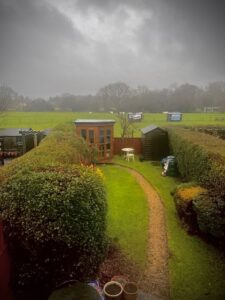
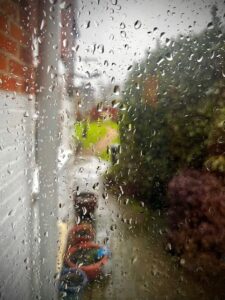
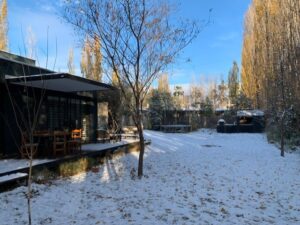
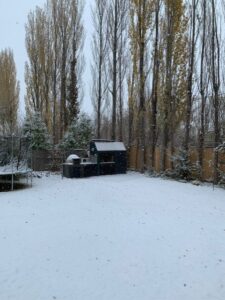
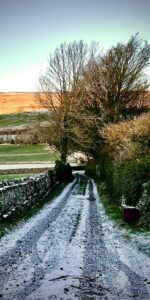 …and some snow: